Operate Charging Infrastructure without Unnecessary Grid Expansion
When charging points, buildings and additional consumers come together, load management becomes a system-level question. Coordinating energy flows instead of simply providing more power makes existing capacities far more efficient.
-
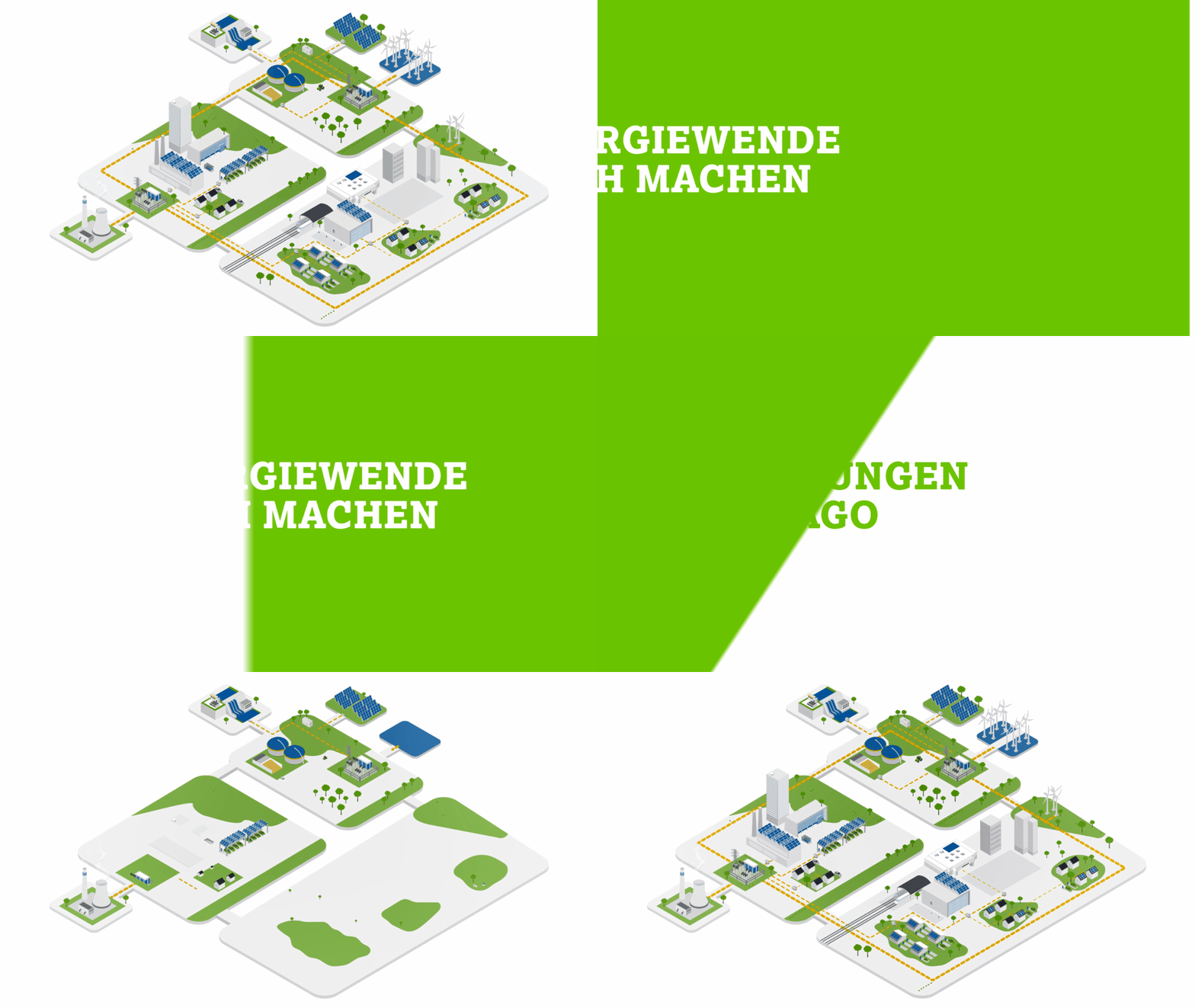
Charging infrastructure becomes a systemic issue where buildings, consumers, and energy sources access the same electrical infrastructure. -
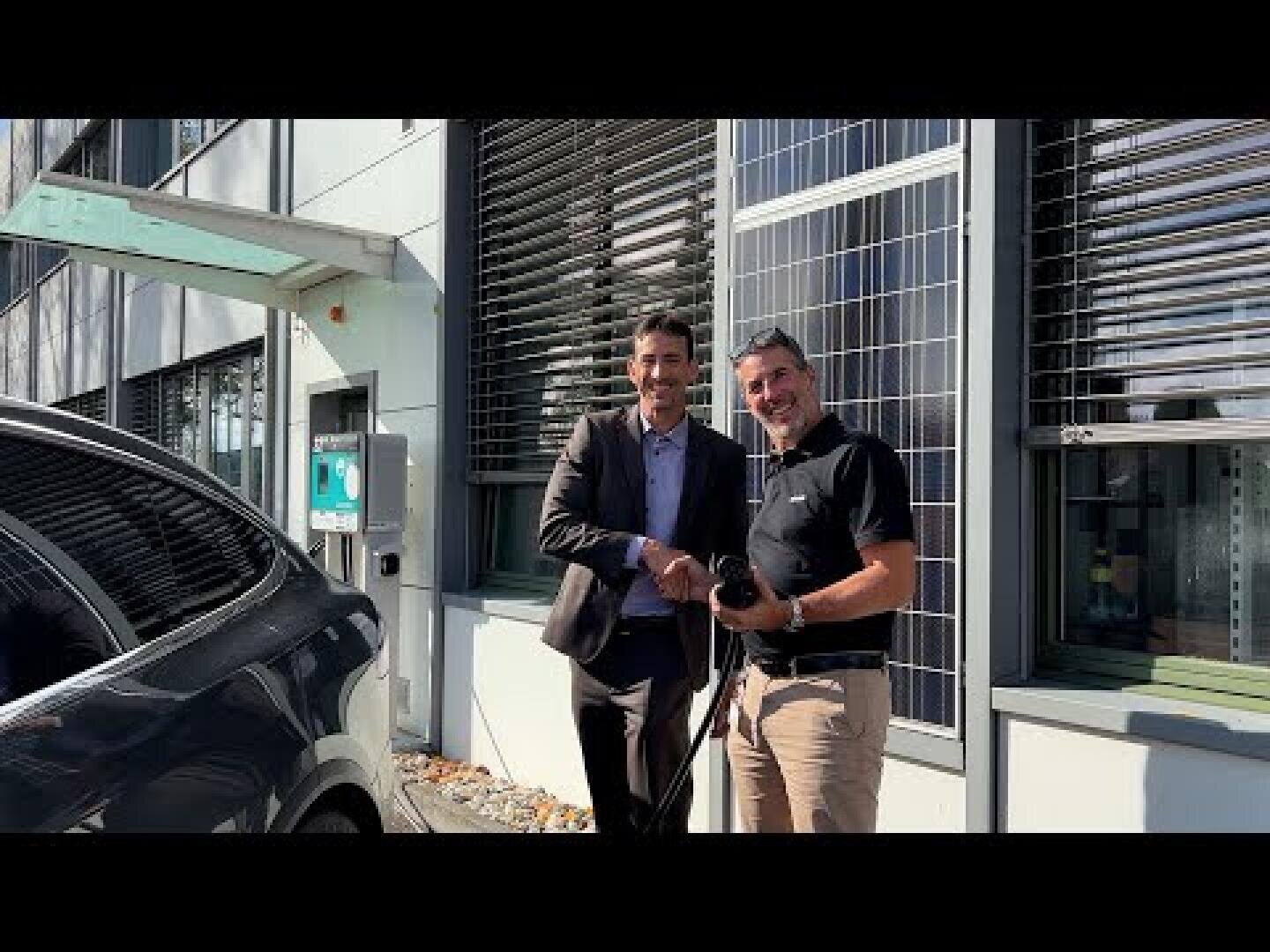
Additional practical reference from the Swiss charging environment: The video shows the evpass public charging infrastructure and the use of WAGO components in the charging stations
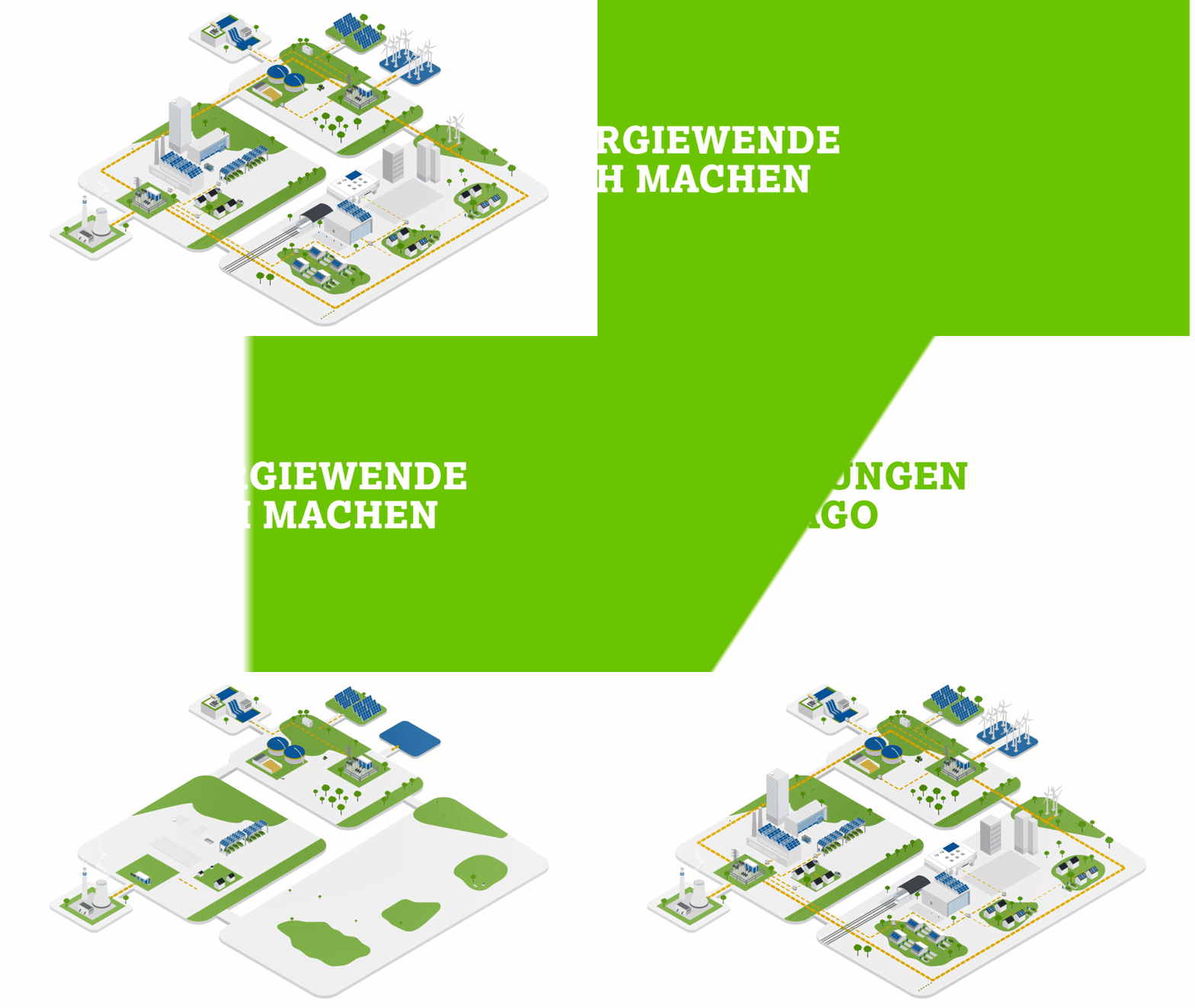
As electrification increases, more consumers are drawing power from the same electrical infrastructure at the same time. Charging points, building technology, heat pumps, production systems, photovoltaics and storage systems are changing the load profiles of many sites.
In practice, the real challenge is often not the individual wallbox. What matters is the site as a whole: which power capacity is available, which consumers are active at the same time and how the available connection capacity can be distributed intelligently.
Not simply providing more power,
but coordinating energy flows.
In charging infrastructure projects, the grid connection quickly becomes a key planning factor. If every charging point and every consumer is designed for maximum simultaneity, technical or economic limits are reached quickly. If energy flows are actively coordinated instead, existing capacities can be used much more efficiently.
In practice, this means:
- Charging points are not viewed in isolation, but in interaction with the building and other consumers
- available connection power is distributed dynamically to the respective applications
- Peak loads can be reduced or avoided
- Photovoltaics, storage, and other consumers can be included in the operating logic
Load management therefore becomes a tool for making better use of existing infrastructure. It does not simply block charging power across the board, but helps distribute the available capacity to the right consumers at the right time.
This approach is especially relevant for sites with growing charging infrastructure. More charging points do not automatically mean that the grid connection must be expanded immediately. What matters is when power is actually needed and how priorities are set during operation.
Additional flexibility is created when local generation and storage are considered as part of the same strategy. Photovoltaics can increase the available power, storage systems can smooth peak loads and flexible consumers can be shifted in time.
Charging infrastructure is then no longer treated as an isolated load, but as part of an energy system on site.
The added value does not come from a single component, but from the interaction of the individual steps:
Capture. Evaluate. Prioritize. Control.
Anyone looking to operate charging infrastructure in a future-proof way must do more than provide power. Energy flows need to be coordinated. Load management helps use available connection capacities more efficiently, reduce peak loads and plan expansion steps more reliably.
At Powertage 2026, WAGO will show how energy flows in charging infrastructure, buildings, and energy applications can be better coordinated. Discuss with our experts which approaches are relevant for your sites, your charging infrastructure, and your next expansion steps.
Further Information
WAGO solutions for load management and charging infrastructure: e-mobility
Practical tip: Integrating charging infrastructure and load management: practical-tip-charging-infrastructure-load-management
WAGO Charging Park Management for charging parks and energy data visualization: charging-park-management