How battery energy storage is deployed at different scales: an overview of BESS installation types
Discover how battery energy storage systems (BESS) store energy efficiently, deliver it flexibly and thus lay the foundations for a stable and sustainable electricity supply.
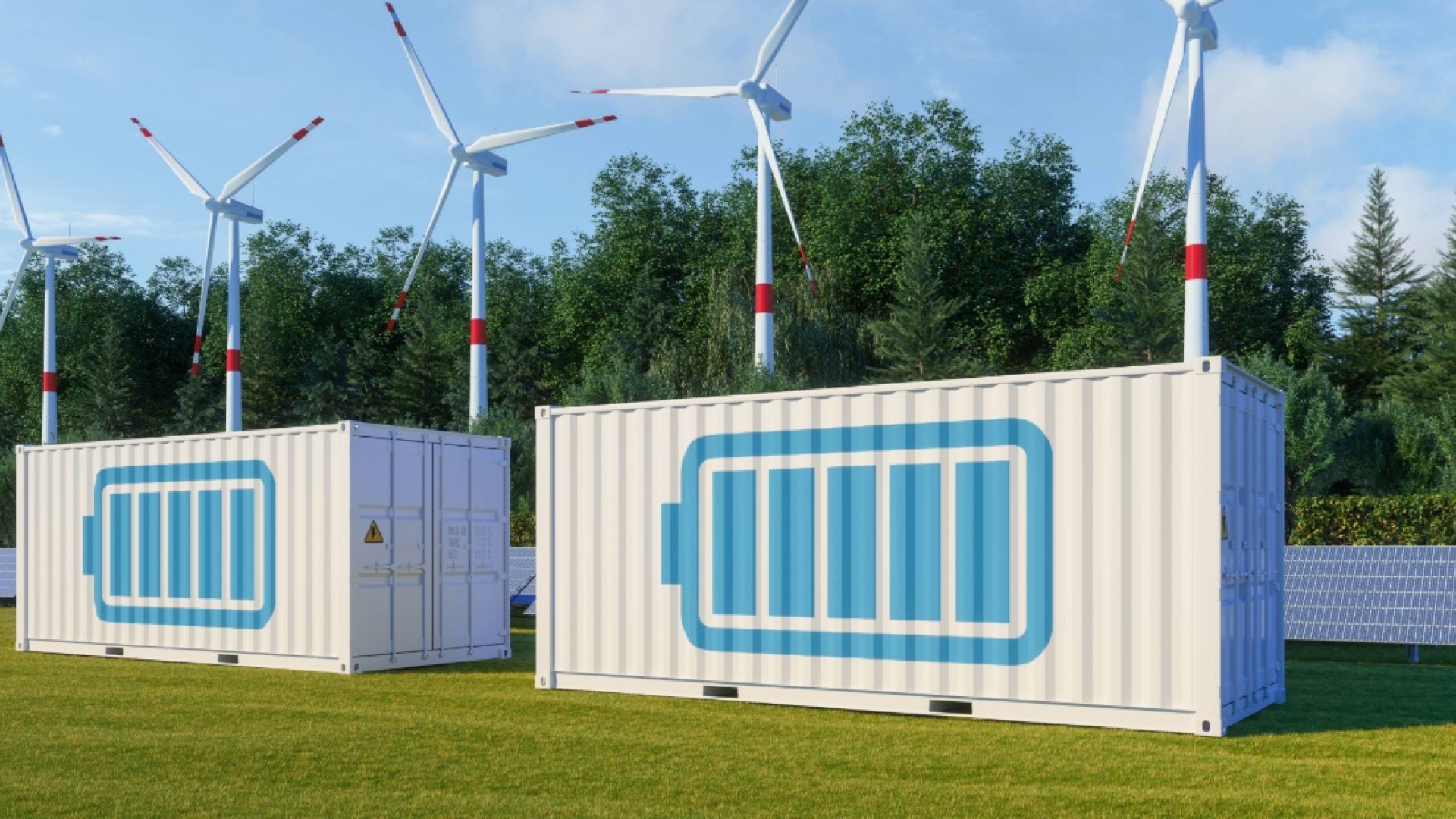
Battery energy storage systems (BESS) are arguably the most critical element in creating a resilient, flexible grid with high renewable energy penetration. Their potential contributions are wide-ranging and significant, but not always well understood, even among grid operators.
BESS installations are typically associated with renewable generation sources. They integrate well with various generation and demand scenarios, from the single domestic home through community and industrial setups to whole-grid stabilization.
Lithium-based batteries are the most common battery technology due to their high energy density, efficiency, and declining costs. Their safety and cycle life have also improved in recent years. BESS is steadily revolutionizing the way we store and manage electricity. Grids are transitioning toward renewable energy sources such as grid-scale solar, tidal, and wind, and toward more integrated and localized supply, including combined heat and power (CHP) systems and local/domestic solar.
BESS plays a key role in this energy transformation by allowing excess power generated during periods of low demand to be stored and used later, ensuring a consistent and stable energy supply.
Advantages of BESS
Battery storage systems offer numerous advantages in industries, homes, and even large-scale grid applications, including improved energy efficiency, reduced reliance on fossil fuels, and the ability to provide backup power during outages. With advanced battery technologies, such as lithium technologies and emerging solid-state batteries, BESS installations are becoming increasingly power-efficient, cost-effective, and environmentally friendly.
Notably, BESS enable higher penetration of renewables by absorbing excess generation (e.g., solar and wind) and delivering it later when generation drops or demand rises. In microgrids, BESS provide key operational benefits:
- Resilience / backup power: Supplies power during utility disturbances or outages and supports islanding and seamless transitions.
- Stability services: Fast voltage and frequency support (and power quality support) to keep sensitive loads stable.
- Load and renewable smoothing: Reduces short-duration fluctuations in net load and renewable output.
- Peak shaving / demand charge reduction: Discharges during brief peak periods to lower peak demand and costs.
- T&D deferral / congestion relief: Reduces peak flows on feeders and substations, helping defer upgrades in constrained areas.
- Reduced upstream grid stress: Lowers ramp rates and peak loading seen by the utility.
How BESS operate
The operational process of a BESS involves several key steps: charging, storing, and discharging electricity to meet demand or stabilize the power grid. The system typically charges by drawing electricity from the grid or renewable sources like solar and wind during periods of low demand. The stored energy is then discharged during high-demand periods, providing power or grid services such as frequency regulation, peak shaving, voltage control, backup power, off-grid power, energy arbitrage, energy shifting, demand response, and load management.
The operational complexity and objectives of BESS can vary significantly depending on scale and ownership intent.
From concept to implementation: customized BESS solutions
Put your trust in experience that pays off: as your partner for battery energy storage systems and the authorized distributor for Cummins in Switzerland, AKSA Würenlos AG supports you every step of the way, from assessing technical options to evaluating economic considerations. Together, we will determine which solution best meets your requirements and what is important during implementation and operation. This gives you a solid basis for decision-making and helps you avoid common planning mistakes. Get in touch with us and take the next step towards a sustainable and future-proof energy solution.
Visit us at the Powertage event or contact our experts directly: